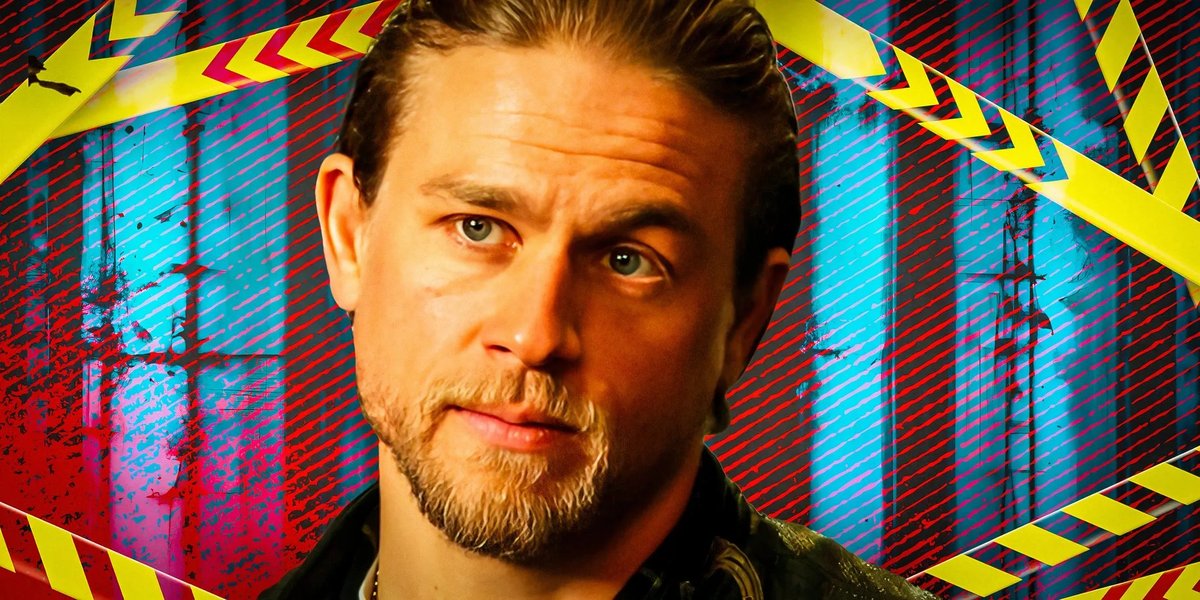
When Charlie Hunnam roared onto our screens as Jax Teller in FX’s Sons of Anarchy, he didn't just play a character; he embodied a legend. From his iconic white sneakers to the way he carried the weight of the world on his shoulders, [Charlie Hunnam's Portrayal of Jax Teller] resonated with millions. But what many fans don't realize is that the soulful, conflicted outlaw motorcycle club vice president was far from a figment of a writer's imagination. In a poignant revelation, Hunnam shared that his definitive portrayal was meticulously crafted around a real-life individual whose tragic story deeply impacted him.
Before the cameras even started rolling on season one, Hunnam immersed himself in the world of real motorcycle clubs. He wasn't just researching; he was living it. This deep dive led him to Oakland, where a chance encounter with a young man would forever shape the face of Jax Teller and, in many ways, Hunnam's own acting career.
At a Glance: The Genesis of Jax Teller
- Real-Life Muse: Jax Teller’s look, mannerisms, and underlying spirit were inspired by a 22-year-old "heir apparent" biker Hunnam met in Oakland.
- Tragic Tribute: The real-life inspiration was killed shortly after their meeting, leading Hunnam to wear a necklace on the show in his memory.
- Shakespearean Core: While inspired by reality, the show's narrative drew heavily from Shakespeare's Hamlet, exploring themes of succession, vengeance, and a tragic downfall.
- Authenticity is Key: Sons of Anarchy cast actual Hells Angels members to enhance realism, and Hunnam himself lived the biker lifestyle during filming.
- Profound Impact: The role deeply affected Hunnam, who views it as his "college days" in acting but has firmly stated he will never return to play Jax.
The Ghost in the Machine: How a Real Biker Became Jax Teller
Imagine stepping into a world you know little about, hoping to capture its essence for a fictional story. That's exactly what Charlie Hunnam did. During his early preparation for Sons of Anarchy, he spent time with a well-known motorcycle club in Oakland. It was there, amidst the rumble of engines and the strong camaraderie, that he met the man who would become the blueprint for Jax Teller.
This individual was only 22 years old, but he carried himself with an "amazing presence," as Hunnam described. He was the "heir apparent," his father a respected figure in the club, having grown up within the confines of its often-brutal codes and traditions. Hunnam saw in him a fascinating blend: an "old school outlaw, cowboy, badass gunslinger, but modern day." He was everything Jax Teller needed to be – charismatic, dangerous, yet carrying a complex internal world.
Hunnam meticulously observed him, soaking in every detail. From the way he dressed, down to his specific jeans and shoes, to his unique mannerisms and the quiet intensity in his eyes, the actor absorbed it all. He wasn't just taking notes; he was internalizing a persona.
Then, tragedy struck. The week after Hunnam left Oakland, before a single frame of Sons of Anarchy was shot, the young biker was killed. This devastating news solidified Hunnam's commitment to honoring his memory. As a deeply personal tribute, Hunnam wore a necklace on the show, a subtle nod to the fallen man, and based Jax Teller's entire aesthetic and many of his subtle behaviors on him. It’s a powerful reminder that even the most fictional characters can have profound, real-world roots.
Charming's Hamlet: The Shakespearean Soul of Jax Teller
While the individual traits of Jax Teller were rooted in a modern-day outlaw, the grand narrative arc of Sons of Anarchy itself drew from a much older, timeless source: William Shakespeare's Hamlet. This isn't just a casual comparison; the parallels are striking and intentional, adding layers of classical tragedy to the gritty, contemporary drama.
Think about it:
- The Heir: Jax is the son of the club's founder, John Teller, just as Hamlet is the prince of Denmark. Both are destined to inherit a legacy, burdened by its weight and expectations.
- Suspected Patricide and a Usurper: John Teller’s death is shrouded in suspicion, eventually revealing his stepfather, Clay Morrow, as a likely culprit. Clay marries Jax's mother, Gemma, and takes over the club presidency, mirroring Claudius's ascent to the throne after Hamlet's father's death and marriage to Gertrude.
- The Journey of Vengeance: Both Jax and Hamlet grapple with the moral complexities of avenging their fathers, a path that leads them down a dark and ultimately self-destructive road.
- A Tragic End: Without spoiling the specifics for those yet to delve into the complex journey of Jax Teller, suffice it to say, both narratives culminate in a devastating, high-body-count finale, leaving a powerful, lingering sense of loss and the high cost of revenge.
This Shakespearean scaffolding provided a robust framework for the show's complex themes, elevating it beyond a simple biker drama into a profound exploration of family, loyalty, power, and the corrupting nature of vengeance. It's this masterful blend of contemporary grit and classical tragedy that makes Jax Teller's full arc so compelling.
Beyond the Script: Charlie Hunnam's Immersion and Authenticity
Creating an authentic portrayal of an outlaw motorcycle club required more than just a compelling script and a talented lead. It demanded a deep commitment to realism, both from the production and its star.
The showrunners, including creator Kurt Sutter, took significant steps to ensure authenticity. This included casting real-life members of the Hells Angels motorcycle club in various roles. Figures like David Labrava (who played Happy Lowman), Rusty Coones (Quinn), Chuck Zito (Frankie Diamonds), and even legendary founder Ralph “Sonny” Barger (Lenny “The Pimp” Janowitz) lent an undeniable air of legitimacy to the fictional SAMCRO clubhouse. Their presence wasn't just for show; it informed the acting and the overall atmosphere, grounding the drama in a tangible reality.
Charlie Hunnam's commitment, however, went far beyond learning lines. He approached the role with an almost academic rigor, viewing his extensive time on Sons of Anarchy as his "college days" in acting. This wasn't just a job; it was an intensive, seven-season masterclass.
The "College Days" of an Outlaw Actor
- Method Riding: Hunnam didn't just pretend to ride a motorcycle on set; he lived on one. For the entire duration of the show's production, he often refused to drive a car, opting instead to ride only his motorcycle. This wasn't a stunt; it was an exercise in embodiment, allowing him to feel the road, the wind, and the freedom (and constraints) of the biker lifestyle.
- Deep Dive with Real Bikers: Beyond his initial Oakland encounter, Hunnam continued to spend time with real bikers, earning their respect and acceptance. He wasn't just an actor; he became a familiar face in their world, learning their customs, their language, and the unspoken rules that governed their lives. This personal connection was crucial for the character of Jax Teller to feel truly lived-in.
- Physical Transformation: The physicality of Jax Teller was also a testament to Hunnam's dedication. He trained extensively, developing the lean, coiled strength of a man constantly ready for conflict, yet capable of profound stillness.
This profound immersion wasn't without its unique interactions. Fans, deeply moved by his portrayal, often showed their appreciation in surprising ways, frequently offering him U.S. Marine Corps Ka-Bar knives as gifts – a testament to how convincingly he embodied the "badass gunslinger" persona.
The Weight of the Cut: Why Jax Teller Stays "Dead" to Charlie Hunnam
Seven seasons, 92 episodes, and countless hours spent living and breathing Jax Teller had an undeniable and profound impact on Charlie Hunnam. For an actor dedicated to method and immersion, such a long-term, intense role doesn't just end when the cameras stop rolling. It leaves a mark.
Hunnam has spoken candidly about the deep and lasting effect Jax had on him. He didn't just play Jax; he became him for a significant portion of his adult life. The character's struggles, his internal conflicts, his loves, and his losses were experienced with an intensity that few roles demand.
This deep connection is precisely why, despite frequent requests and the enduring popularity of the character, Hunnam has stated he will never return to the role of Jax Teller. His reasoning is simple, yet profoundly moving: the character is now "dead" to him.
The Unspoken Cost of Total Immersion
- Emotional Exhaustion: Embodying such a volatile and tragic figure for so long can be emotionally draining. To revisit that space, that darkness, might be too much for an actor who has moved on and healed.
- Preserving the Legacy: Hunnam's refusal to return can also be seen as a way of preserving Jax's legacy. The character's ending was definitive and powerful, a full stop on a tumultuous journey. To bring him back, arguably, would diminish the impact of that conclusion.
- The Actor's Evolution: For Hunnam, moving beyond Jax Teller is crucial for his own artistic growth. He has taken on a diverse range of roles since, actively seeking projects that challenge him in new ways and prevent him from being typecast. He's an actor who embraces transformation, and Jax was a complete transformation.
This decision, while disappointing to many fans, highlights the true depth of an actor's craft and the personal sacrifices involved in bringing such iconic characters to life. It speaks to the genuine, human cost behind the enduring legacy of Sons of Anarchy's protagonist.
Beyond SAMCRO: Jax Teller's Enduring Cultural Imprint
Sons of Anarchy and Charlie Hunnam's portrayal of Jax Teller left an indelible mark not just on the biker genre, but on pop culture as a whole. The show proved that a story centered around an outlaw motorcycle club could achieve mainstream success while tackling complex themes worthy of critical acclaim.
Jax Teller became more than just a character; he became an archetype. He represented the conflicted anti-hero, trapped between loyalty to his chosen family and a yearning for a different life. His struggle resonated with anyone who has ever felt the pull of duty against personal desire, or the weight of inherited burdens. This complexity is what allowed Jax's time on the show to delve into deeper psychological territory than many network dramas.
The series paved the way for more nuanced portrayals of subcultures and challenged stereotypes, largely thanks to Hunnam's ability to inject humanity and vulnerability into a character who could have easily been one-dimensional. The show also ignited new interest in motorcycle culture, inspiring countless fans to ride, and even to appreciate the intricacies of club dynamics, albeit through a highly dramatized lens.
Common Questions & Misconceptions About Jax Teller
Q: Was Jax Teller a real person?
A: No, Jax Teller was a fictional character. However, as Charlie Hunnam revealed, his look, mannerisms, and underlying spirit were heavily inspired by a real 22-year-old biker he met in Oakland before filming began.
Q: How committed was Charlie Hunnam to the role of Jax Teller?
A: Extremely committed. Hunnam considered his time on the show his "college days" in acting. He immersed himself completely, often refusing to drive a car and instead riding his motorcycle everywhere, and spent extensive time with real bikers to understand their culture.
Q: Why won't Charlie Hunnam play Jax Teller again?
A: Hunnam has stated that the role had a profound and deep impact on him, and the character is now "dead" in his mind. He feels he gave everything he could to Jax and needs to move on artistically and personally.
Q: What show inspired Sons of Anarchy?
A: While Sons of Anarchy is an original series, its overall narrative arc and thematic elements were heavily inspired by William Shakespeare's play, Hamlet, particularly the themes of an heir, suspected patricide by a stepfather, and a journey of vengeance leading to a tragic end.
The Unforgettable Ride: Reflecting on Jax Teller's Legacy
Charlie Hunnam's portrayal of Jax Teller is a masterclass in character development, born from a unique blend of real-world inspiration, classical literary grounding, and an actor's profound dedication. It's a testament to the power of observation, the depth of human tragedy, and the transformative nature of truly immersing oneself in a role.
The next time you re-watch Sons of Anarchy, take a moment to look beyond the leather and the violence. See the subtle nods to the real outlaw who walked the streets of Oakland, feel the echoes of Shakespearean drama, and appreciate the raw, honest commitment of an actor who gave a piece of himself to bring a legend to life. Jax Teller's journey may have ended on screen, but his impact, fueled by a deeply personal origin, continues to resonate with fans worldwide.